Community articles
|

Maarten Reinders
Finding the right moment for integration is essential to the success of a buy-and-build strategy. Both parties must be ready. Especially in owner-managed and family businesses, cultural and emotional factors play a significant role, according to the experience of Bolster Investment Partners.
Shortly after an acquisition, a natural moment often arises to integrate the buy-and-build target and realise synergies. But whether that moment is actually the right one should be assessed with care.
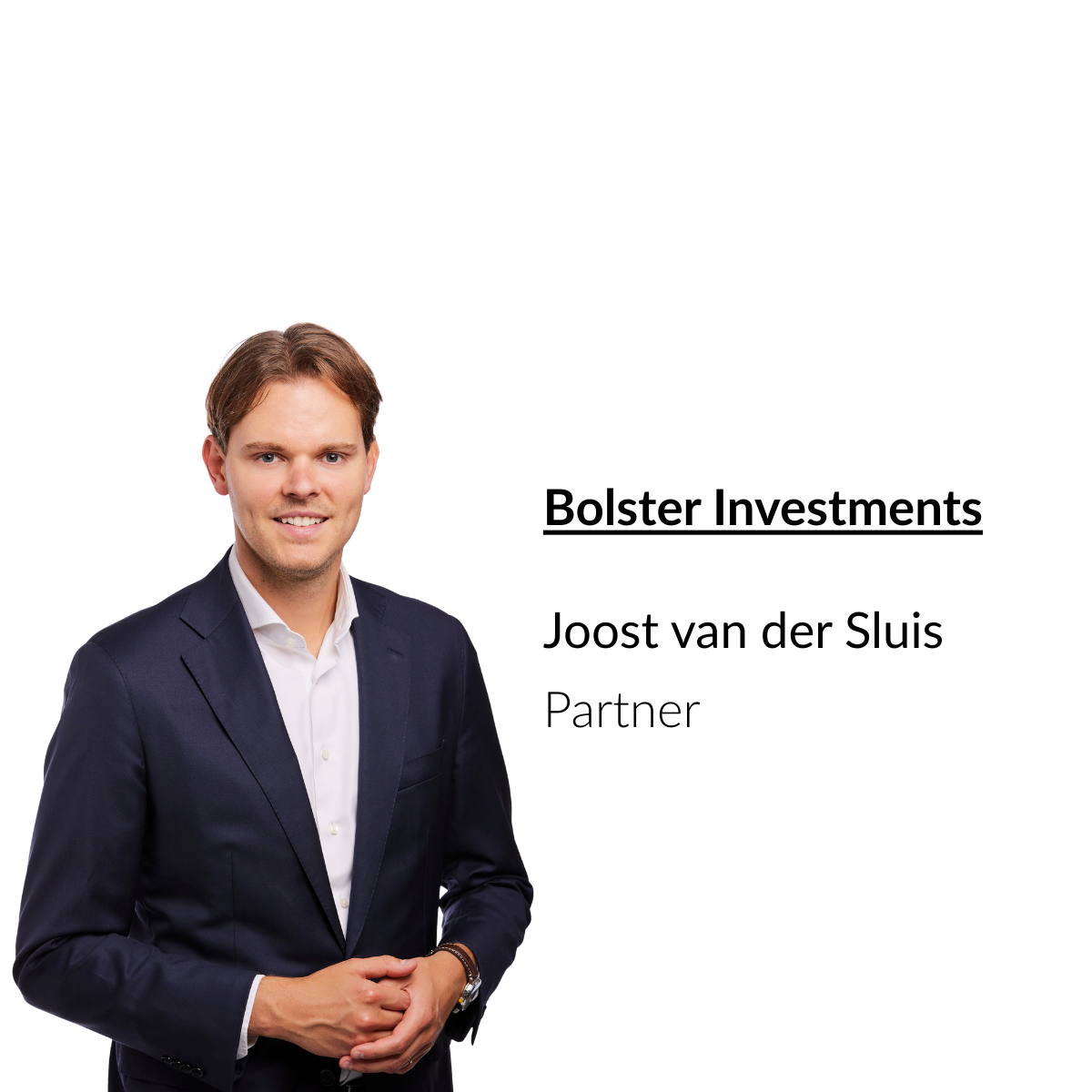
Without clear communication and a solid integration plan, you risk resistance and losing key people, says Joost van der Sluis, Partner at Bolster Investment Partners. “Sometimes it takes several years before shareholders are mentally ready to let go of their business.” Employees are often only informed after the transaction has been completed. To achieve a successful integration and realise synergies, it’s vital to bring the organisation along from the outset.
“Pushing too hard is counterproductive. Success lies in finding the right moment and carefully guiding the integration process that follows.”
Bolster Investment Partners was founded in 2017 through the spin-off of the investment arm of Van Lanschot Kempen. The firm focuses on both minority and majority investments in family-owned and entrepreneur-led businesses, applying a flexible, long-term investment horizon of up to approximately ten years.
Bolster supports its portfolio companies in their growth and development, including through a structured buy-and-build strategy. This often starts with management asking how the company can expand into a new, adjacent market.
“If you’re highly successful in the Netherlands or elsewhere in Europe, there’s often potential to grow in other regions,” says Van der Sluis. “Or it might be relevant to broaden the product portfolio or service offering.” Acquiring a local player or niche specialist can significantly accelerate that growth. “It positions you immediately as a credible player in that market — both for customers and for employees.”
The search for a suitable buy-and-build target is a joint effort between company management and Bolster’s team of investment professionals. One of the tools Bolster uses as its eyes and ears in the market is Dealsuite — enabling contact with companies or M&A advisors who may not yet be on the radar of management.
“Our role is to map out potential targets, assess which ones best fit the strategic direction, and determine who can make the right introduction. In some cases, there are already industry relationships we can activate.”
While management typically has strong market and product expertise, there is often less experience with the financial, legal and tax implications of an acquisition — or the bidding process itself.
“We work closely with management during the entire M&A process and provide end-to-end guidance, allowing them to stay focused on day-to-day operations.”
Van der Sluis highlights a common pitfall: many acquisitions fail due to underestimated cultural differences and overestimated synergies. That’s why he advises a respectful, measured approach to integration.
“It’s essential to preserve the company’s distinctive value proposition and its workplace culture — you don’t want to lose the soul of the organisation. The real added value lies in areas such as procurement synergies, knowledge sharing, and cross-selling.”
He sees particular strategic value in acquiring companies active in attractive regions or offering complementary products or services — moves that can strengthen the combined market position. This strategic rationale also makes the acquisition easier to communicate internally.
“Communication around an acquisition must be open and transparent from day one,” Van der Sluis continues. “At the time of announcement, everyone knows change is coming — and that can feel uncertain. People want to know what it means for their job. So explain clearly where collaboration will take place to realise synergies, but also what aspects of the integration plan are still in development. Invite people to share their input. That transparency helps avoid unnecessary uncertainty or talent attrition.”
Sensing what’s going on within the organisation — and how much change the team is ready to absorb — is critical to ensuring a smooth integration. That sometimes means deliberately slowing the pace if too many projects are ongoing at the same time, Van der Sluis notes.
“It’s really about finding the right focus and the right momentum at each step.”
Portfolio companies can also learn from each other. Bolster’s investment professionals continuously monitor which insights or experiences could be valuable elsewhere in the portfolio.
“A simple example: one of our companies has significant operations in India, and another is currently exploring a partnership with an Indian firm. In that case, we connect the two so they can exchange knowledge and learn from each other.”
Bolster also organises social events where management teams can share experiences informally.
“We recently held a padel tournament for management teams. Events like that help build informal connections, which makes it easier to reach out again later.”
"You must preserve the distinctive value proposition for the customer and the workplace culture."
— Joost van der Sluis
.png)


Grow your network. Find more deals.
Science Park 106
1098 XG Amsterdam
Netherlands
© 2026 Dealsuite. All rights reserved.


.png)
.png)